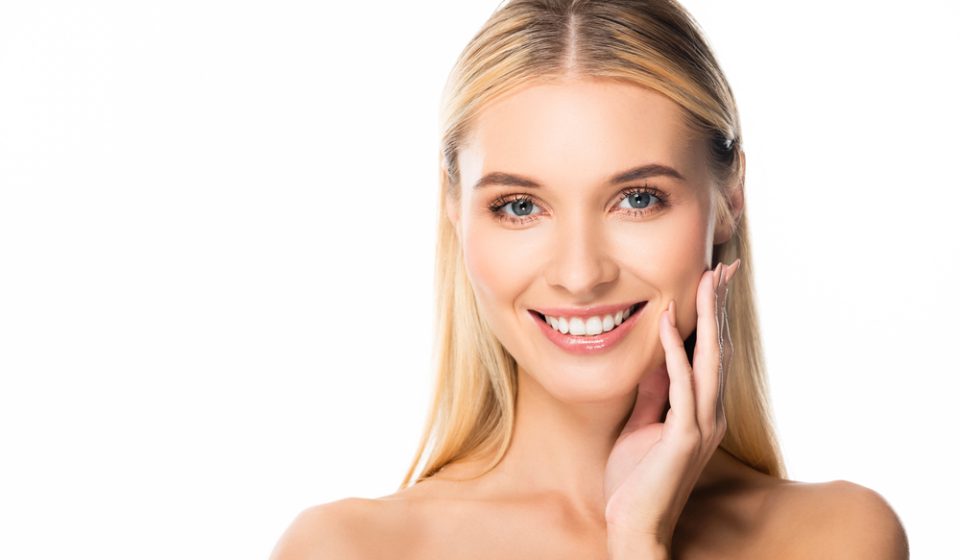

In contemporary Australia, beauty is no longer defined solely by flawless skin or fashion-forward aesthetics. Instead, it has evolved into something more holistic, where health, confidence, and authenticity intersect. At the centre of this shift lies an often-underestimated element: the smile. Increasingly, oral care has become a defining feature of modern Australian beauty trends, transforming how individuals present themselves both socially and professionally. The “smile factor” is not merely cosmetic—it reflects lifestyle, wellbeing, and cultural values rooted in health-conscious living.
Australia’s outdoor-oriented culture plays a significant role in shaping this trend. With a lifestyle that embraces beach days, sports, and social gatherings under the sun, Australians are naturally inclined toward a fresh, clean, and effortless look. A bright, healthy smile complements this image perfectly. It communicates vitality and confidence without the need for excessive embellishment. In this context, visiting a dentist is no longer seen as a reactive measure but as a proactive step toward maintaining one’s overall appearance and personal brand.
The rise of wellness culture across Australia has further elevated oral care from a basic hygiene routine to a central pillar of self-care. Just as Australians invest in skincare regimens, fitness programs, and balanced diets, they are now equally committed to dental health. This shift is supported by increasing awareness of the connection between oral health and systemic health. Issues such as gum disease have been linked to broader health concerns, reinforcing the importance of regular dental check-ups and preventive care.
Social media has amplified this trend significantly. Platforms like Instagram and TikTok have created a visual culture like oral care series where smiles are constantly on display. Influencers and public figures showcase their lifestyles, and a confident smile often becomes their most powerful asset. However, unlike heavily filtered beauty standards seen elsewhere, Australian audiences tend to favour relatability. This means that dental aesthetics are approached with a sense of realism—clean, healthy, and naturally radiant rather than overly manufactured.
Another factor shaping the smile-centric beauty movement is the professional landscape. In a competitive job market, first impressions matter more than ever. A confident smile can influence perceptions of competence, friendliness, and trustworthiness. As a result, many Australians view dental care as an investment in their careers. Regular visits to a dentist and consideration of dental treatments are increasingly seen as essential components of personal development, similar to upgrading skills or refining communication abilities.
Technology and innovation have also played a transformative role. Modern clinics across major cities like Sydney, Melbourne, and Brisbane offer advanced procedures that were once considered luxury services. Today, treatments such as teeth whitening, clear aligners, and cosmetic bonding are widely accessible, contributing to the growing popularity of top dental treatments. These procedures are not about achieving artificial perfection but enhancing natural features—aligning with Australia’s preference for subtlety and authenticity.
Cultural diversity within Australia also contributes to evolving beauty standards. As a multicultural society, Australia blends influences from Europe, Asia, and the Americas, creating a unique aesthetic that values individuality. Oral care fits seamlessly into this narrative because it enhances rather than alters one’s natural identity. A well-maintained smile becomes a universal symbol of care and self-respect, transcending cultural differences.
Environmental consciousness, a growing priority among Australians, subtly influences dental trends as well. Many consumers now seek eco-friendly oral care products, such as biodegradable toothbrushes and sustainable packaging. Dental clinics are also adapting by incorporating greener practices. This alignment with sustainability reinforces the idea that beauty is not just about appearance but about responsible choices that reflect broader values.
Importantly, the psychological impact of a healthy smile cannot be overlooked. Confidence derived from good oral health extends into all areas of life—from social interactions to mental wellbeing. Smiling triggers positive emotional responses, both internally and externally, creating a feedback loop that enhances overall quality of life. In this sense, oral care becomes more than a routine; it is a gateway to self-assurance and emotional resilience.
Looking ahead, the integration of digital dentistry, AI-driven diagnostics, and personalised treatment plans will likely push this trend even further. Australians are expected to continue embracing innovations that make dental care more efficient, comfortable, and tailored to individual needs. As accessibility improves, the gap between health and beauty will continue to narrow, solidifying the role of oral care in defining modern aesthetics.
Ultimately, the smile factor encapsulates a broader cultural shift in Australia—one that prioritises authenticity, health, and confidence over superficial perfection. By placing oral care at the forefront of beauty trends, Australians are redefining what it means to look and feel good. The modern standard is not about achieving an unattainable ideal but about presenting the best version of oneself, starting with a genuine, healthy smile.