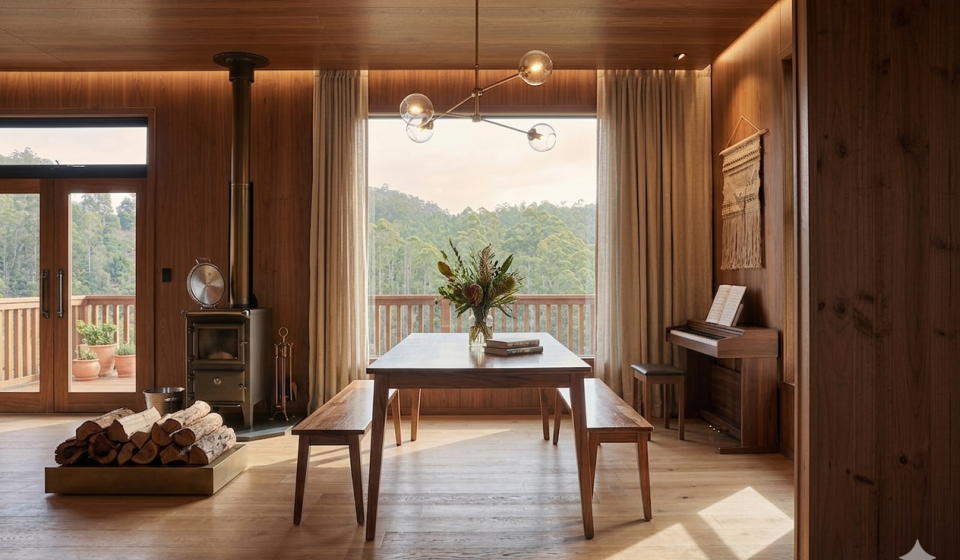

Tasmanian Oak continues to hold a strong position in Australia’s furniture industry, valued for its light, neutral tones and reliable strength. Often associated with quality craftsmanship, it has become a staple material in homes, offices, and commercial interiors. Despite its name, Tasmanian Oak is not a single timber species but a combination of three eucalyptus hardwoods that grow in the cooler regions of southeastern Australia.
Its appeal lies in its versatility. Designers and manufacturers appreciate how easily it can be shaped, stained, and finished, allowing it to suit a wide range of interior styles. From minimalist Scandinavian aesthetics to more traditional Australian designs, Tasmanian Oak adapts seamlessly. As a result, furniture retailers have consistently relied on it to meet customer expectations for both durability and visual appeal.
In recent years, however, industry conversations have shifted. Questions about sustainability, supply levels, and environmental responsibility are becoming more prominent. Furniture store owners are increasingly aware that maintaining a steady supply of this popular timber may not be as straightforward as it once seemed.
Growing Demand Across Residential and Commercial Spaces
The demand for Tasmanian Oak has risen significantly, driven by changing consumer preferences. Many buyers are moving away from synthetic materials and opting for natural, long-lasting alternatives. This trend has boosted interest in solid hardwood furniture, particularly pieces that highlight natural grain and texture.
Tasmanian Oak has become especially popular in living room furniture, where aesthetics and durability are equally important. It is preferred for entertainment units as it renders a classy look making it a go-to choice for homeowners wanting both functionality and elegance. Its clean appearance allows it to blend with modern technology while still adding warmth to the space.
Commercial sectors have also contributed to increased demand. Offices, hospitality venues, and wellness spaces often favour Tasmanian Oak for its professional yet inviting look. Its ability to withstand regular use while maintaining its appearance makes it ideal for high-traffic environments. This widespread appeal has placed additional pressure on supply chains already working to balance sustainability with production needs.
Supply Constraints and Industry Pressures
Furniture store owners are beginning to notice changes in how easily they can source Tasmanian Oak. While it is still available, the process has become more complex and sometimes unpredictable. Suppliers may experience delays, limited stock, or variations in quality, all of which affect production timelines.
One of the main challenges is the natural growth cycle of hardwood trees. Unlike manufactured materials, timber cannot be produced quickly to meet sudden increases in demand. Trees require decades to mature, meaning supply cannot instantly expand when market demand rises.
Additionally, environmental regulations have become stricter in recent years. While these measures are essential for protecting forests, they can limit harvesting activities and reduce short-term availability. Combined with logistical challenges such as transportation costs and labour shortages, these factors contribute to a tightening supply situation that furniture retailers must navigate carefully.
Pricing Trends and Retail Adjustments
As supply pressures increase, the cost of Tasmanian Oak has also risen. Furniture store owners are finding it necessary to adjust their pricing strategies to reflect higher material and production costs. This can be a delicate balance, as customers may be sensitive to price changes, especially in competitive markets.
Some retailers have responded by offering a wider range of products at different price points. While premium items continue to feature solid Tasmanian Oak, more affordable options may incorporate veneers or mixed materials. This approach allows businesses to cater to diverse customer needs without relying solely on one resource.
Transparency has also become an important part of retail strategy. Many store owners are educating customers about why prices are increasing and how sustainable sourcing practices impact costs. By providing this context, they aim to build trust and encourage informed purchasing decisions.
Sustainability and Responsible Forestry
A key factor in the ongoing availability of Tasmanian Oak is Australia’s commitment to sustainable forestry. Managed forests are carefully monitored to ensure that harvesting does not exceed regrowth. Practices such as selective logging and replanting help maintain ecological balance while supporting the timber industry.
Certification systems play an important role in this process. Labels such as FSC and PEFC indicate that timber has been sourced responsibly, giving both retailers and consumers confidence in their purchases. These certifications also encourage continuous improvement in forestry practices, helping to protect biodiversity and natural habitats.
However, sustainability does not eliminate limitations. Even with responsible management, there are natural constraints on how much timber can be produced at any given time. This means that while Tasmanian Oak is not disappearing, its availability may fluctuate depending on environmental conditions and market demand.
Exploring Alternatives and Innovation
In response to supply challenges, the furniture industry is exploring alternative materials and design approaches. Other Australian hardwoods, such as Victorian Ash and Blackbutt, offer similar characteristics and can be used as substitutes in many applications. These options help reduce reliance on a single timber source while still supporting local industries.
Engineered wood products are also gaining traction. Advances in manufacturing technology have made it possible to create materials that mimic the appearance of solid timber while using fewer natural resources. Although these products may not fully replicate the feel of Tasmanian Oak, they provide practical solutions for budget-conscious consumers.
Innovation is extending beyond materials to include design and production methods. Modular furniture, efficient cutting techniques, and waste reduction strategies are helping manufacturers make better use of available resources. These efforts not only address supply concerns but also contribute to more sustainable industry practices overall.
The Outlook for Furniture Store Owners
Looking ahead, furniture store owners are likely to continue facing challenges related to Tasmanian Oak supply. While there is no immediate risk of the resource running out, fluctuations in availability and pricing are expected to persist. Businesses that adapt quickly and diversify their offerings will be better positioned to navigate these changes.
Customer expectations are also evolving, particularly as more people embrace nature-inspired interiors beyond the home. This design approach is not limited to residential spaces; it’s nice for day spas, salons or even resorts. Buyers are becoming increasingly conscious of where materials come from and how they are sourced, often prioritising transparency and sustainability when making purchasing decisions. This shift creates valuable opportunities for retailers to highlight responsible forestry practices, ethical sourcing, and the craftsmanship behind their products as key selling points. By aligning their offerings with these values, furniture businesses can strengthen customer trust and maintain relevance in an increasingly competitive market.
Ultimately, the future of Tasmanian Oak in the furniture industry will depend on achieving a careful balance between demand, sustainability, and innovation. Furniture store owners who remain informed about industry developments and flexible in their sourcing strategies will be better equipped to continue offering high-quality products. By adapting to changing market conditions and embracing new materials or techniques where necessary, they can ensure long-term resilience while continuing to meet evolving consumer expectations.