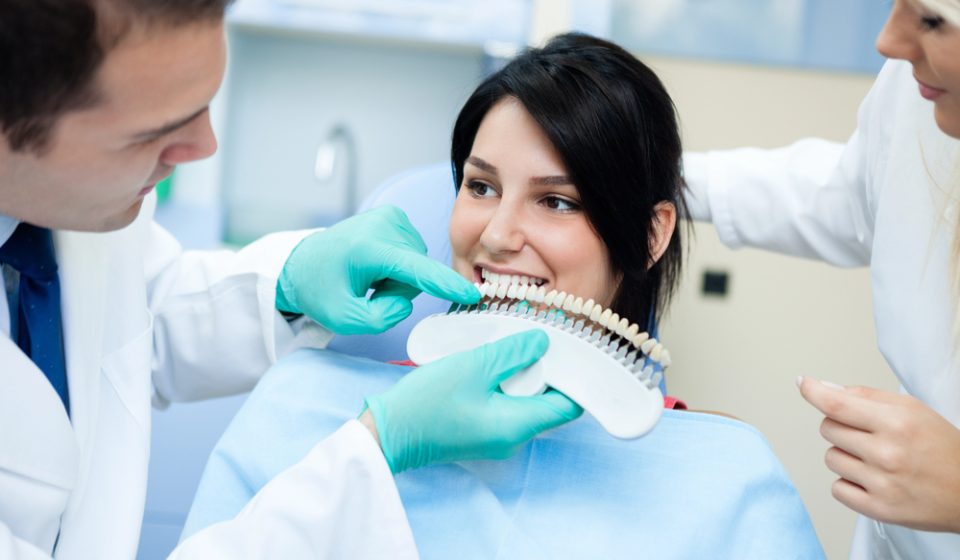

In contemporary Australian pop culture, beauty trends rarely arrive with fanfare—they evolve quietly, embedded in the subtle shifts of media aesthetics, celebrity influence, and everyday aspirations. Among these shifts, porcelain veneers have emerged as one of the most transformative yet understated developments in cosmetic dentistry. They represent more than a clinical procedure; they are a cultural signal, reflecting how Australians increasingly negotiate identity, confidence, and visual perfection in a hyper-digital age.
Unlike overt cosmetic enhancements that once defined earlier beauty eras, porcelain veneers operate in a more discreet register. They do not announce themselves loudly. Instead, they create a kind of “invisible upgrade”—a refinement of the smile that often goes unnoticed as dentistry, yet is immediately perceived as attractiveness, confidence, or polish. This subtlety is precisely what makes them so embedded in the modern Australian aesthetic imagination.
The Smile as Cultural Currency
In Australian pop culture, the smile has become a form of social currency. From television presenters to social media influencers and reality TV contestants, the expectation of a bright, symmetrical smile is now deeply ingrained. This is where porcelain veneers quietly enter the cultural frame—not as an advertised necessity, but as an assumed standard behind the scenes.
On screen, Australian personalities often embody a particular aesthetic: natural but elevated, casual yet refined. The perfection of teeth has become part of this visual language. While makeup, skincare, and fitness culture are openly discussed, dental aesthetics remain more discreet. Yet porcelain veneers are frequently part of the foundation that enables this “effortless perfection” seen in media personalities and influencers.
This is why veneers can be described as part of a silent beauty revolution. They are rarely the subject of mainstream conversation, but their presence is increasingly normalised through visual exposure. Audiences may not always identify the intervention, but they absorb the result as a new baseline of beauty.
Social Media and the Veneer Aesthetic
The rise of Instagram, TikTok, and short-form video content has intensified the importance of facial aesthetics, particularly the smile. In these spaces, lighting, angles, and filters create an idealised visual world—but porcelain veneers bridge the gap between filtered and real life. Unlike temporary digital enhancements, veneers offer permanence.
Australian influencers, especially in lifestyle, fitness, and beauty niches, often embody this aesthetic shift. Their content subtly reinforces the idea that a polished smile is part of personal branding. As a result, porcelain veneers are no longer perceived solely as a dental treatment; they are increasingly associated with self-presentation, professional image, and digital identity.
This shift also reflects a broader cultural trend: the merging of healthcare and aesthetics. The local dental landscape in Australia has adapted to this demand, with cosmetic dentistry becoming more integrated into mainstream practice rather than remaining a niche luxury service. Clinics are increasingly positioned not just as providers of oral health, but as partners in aesthetic transformation.
The Psychology of the “Perfect Smile”
The appeal of porcelain veneers extends beyond aesthetics. Psychologically, the smile plays a critical role in perceived trustworthiness, attractiveness, and social confidence. In Australian society—where informality and authenticity are highly valued—the paradox is that perfection is still subtly pursued, as long as it appears natural.
Porcelain veneers occupy this paradox perfectly. They can be designed to look organic rather than artificial, enhancing rather than replacing individuality. This balance between enhancement and authenticity explains their cultural acceptance. Unlike more visibly transformative procedures, veneers are often perceived as an “upgrade” rather than a change.
Within the local dental landscape, this has led to a shift in patient expectations. Individuals increasingly seek outcomes that are tailored, natural-looking, and aligned with facial harmony rather than uniform perfection. The goal is not simply whiter teeth, but a smile that integrates seamlessly into one’s identity.
From Hollywood Ideal to Australian Interpretation
Historically, the global perception of the “perfect smile” was heavily influenced by Hollywood. However, Australian pop culture has gradually reinterpreted this ideal into something more understated. The Australian version of beauty tends to favour subtlety over extravagance, and porcelain veneers have adapted accordingly.
Rather than overly bright or uniform smiles, Australian cosmetic dentistry often focuses on balance—preserving character while refining imperfections. This reflects a broader cultural ethos: beauty should look attainable, not manufactured. In this sense, porcelain veneers have been localised into a uniquely Australian expression of aesthetic enhancement.
The local dental landscape has played a key role in this adaptation, with practitioners emphasising personalised design and conservative enhancement. This approach aligns with Australian cultural values of naturalness and moderation, even within cosmetic transformation.
The Future of the Silent Revolution
As digital culture continues to evolve, porcelain veneers are likely to become even more embedded in everyday aesthetics. However, their influence will remain subtle rather than overt. Unlike fashion trends or makeup styles, dental aesthetics operate below the surface of conversation while remaining highly visible in perception.
In Australian pop culture, this creates an interesting dynamic: a beauty standard that is widely seen but rarely discussed. The silence around veneers contributes to their power. They are not marketed as transformations in mainstream dialogue, yet they shape how attractiveness is defined across media, professional environments, and social platforms.
Ultimately, porcelain veneers represent more than cosmetic dentistry. They symbolise a cultural shift towards curated naturalness—where enhancement is expected, but invisibility is preferred. Within the evolving local dental landscape, they sit at the intersection of science, aesthetics, and identity.
The rise of porcelain veneers in Australia is not a loud cultural moment but a quiet evolution. It reflects a society that values refinement without excess, confidence without obvious alteration, and beauty without visible effort. As they continue to shape smiles across media and everyday life, porcelain veneers remain one of the most influential yet understated forces in modern Australian aesthetics.
In this silent revolution, the smile has become both a personal statement and a cultural mirror—carefully crafted, subtly enhanced, and deeply embedded in the visual language of contemporary Australia.